24 September 2026 · Zurich → Frankfurt → Vancouver
Our first time in America
Daddy and Sefora’s first day in America: from Zurich to Vancouver via Frankfurt on 24 September 2026.
Read the story →Francesco, Sefora & Elia
Explore the journal
Travel discoveries and experiences beyond the table.
24 September 2026 · Zurich → Frankfurt → Vancouver
Daddy and Sefora’s first day in America: from Zurich to Vancouver via Frankfurt on 24 September 2026.
Read the story →Food curiosities · Research and background
A question before dinner: I thought of frogs’ legs as a French speciality. Exploring their history led me to Italian rice fields, Asian kitchens and questions about provenance. A journey to understand, with respect, what reaches our plates.
France is closely associated with frogs’ legs, but has no monopoly on them. Researcher André Neveu describes food traditions in Europe, Asia, Africa and the Americas. He places their arrival in prestigious European kitchens around the sixteenth century; that does not establish who first ate them. Frog consumption in China has ancient roots. 1, 2
The Vietnamese word for frog is ếch. In Ho Chi Minh City, preparations include ếch chiên nước mắm: fried frog with fish sauce, garlic and a sweet element. Another is spicy braised frog served with rice porridge, a Singaporean speciality that has become popular in Vietnam. These represent different cuisines, rather than a single Asian recipe. 3
In Lomellina, near Pavia, frog risotto tells the story of rice-field farming communities. The frogs themselves can also be used to make the stock. China has a history of frog protection too: in the nineteenth and twentieth centuries, efforts were made to restrict catching because frogs ate crop pests. The same animals were both food and farmers’ allies. 2, 4
Supply chains include wild capture and farming, followed by processing and distribution, including international trade. A 2023 study of 40 farmers in Đồng Tháp, Vietnam, describes tarpaulin-lined tanks, net enclosures in ponds and commercial pellet feed. Many also produced their own young frogs. This is a local study, not a description of every Vietnamese farm. 5, 6
Farmed does not automatically mean sustainable. The Vietnamese study identifies problems with water quality, stocking densities and wastewater; international trade research highlights traceability gaps and pressure on wild populations. Country of origin, species and production method are different pieces of information. Asking the restaurant whether frogs are farmed or wild-caught, and who supplies them, helps us understand the dish. 5, 6
There is no general ban on eating frogs’ legs. Native amphibians are protected, however, and catching them requires a cantonal permit. Frogs’ legs obtained without stunning are subject to a declaration requirement, including in restaurants, with a transition period until 1 July 2027. A disclosure rule is not a general sales ban. 7, 8
For Le Tavole Vere del Mondo, curiosity begins with a good memory, a question and a wish to hear a dish’s story. This is a cultural feature, not a review of dinner at Huayuan.
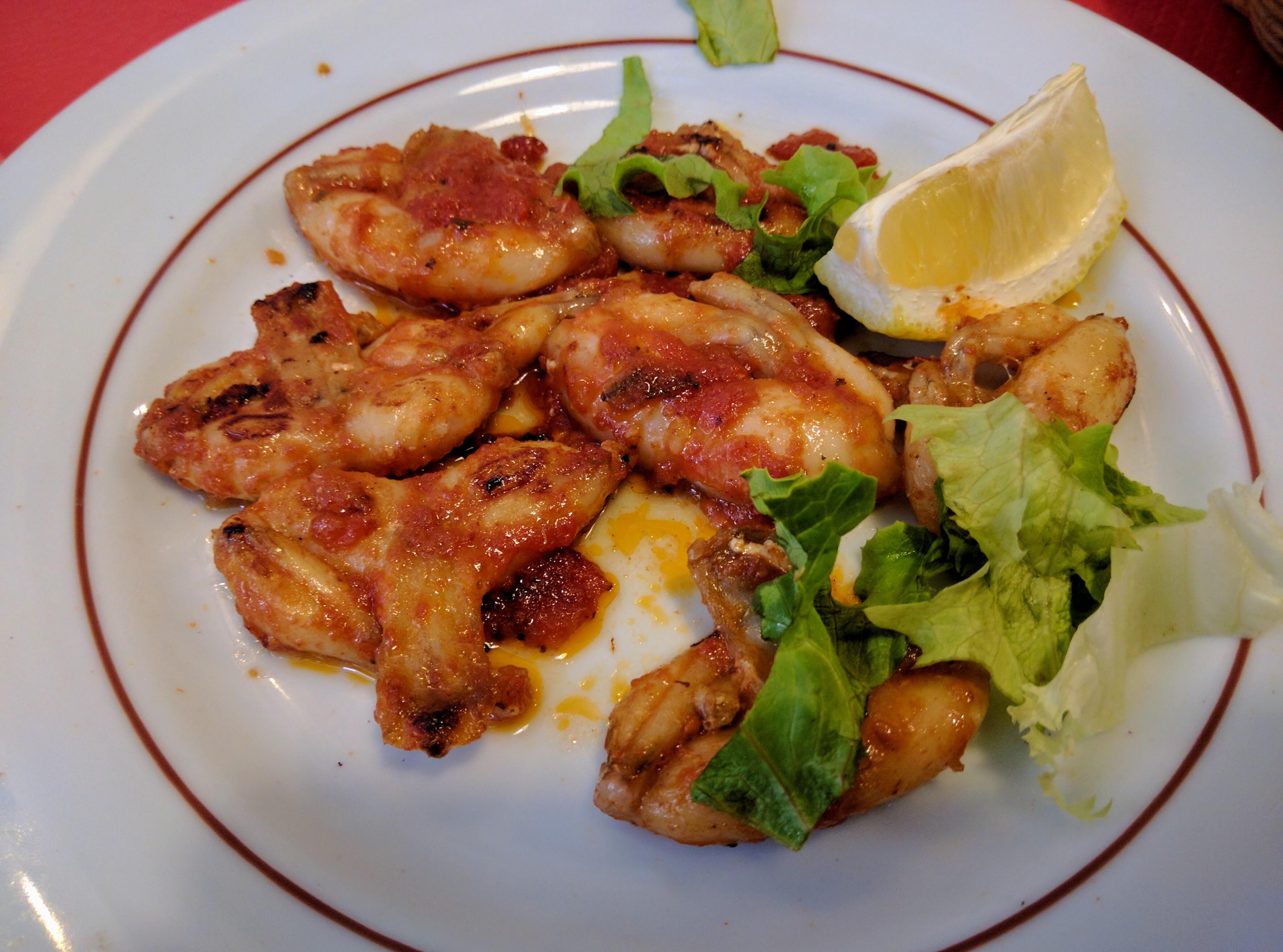
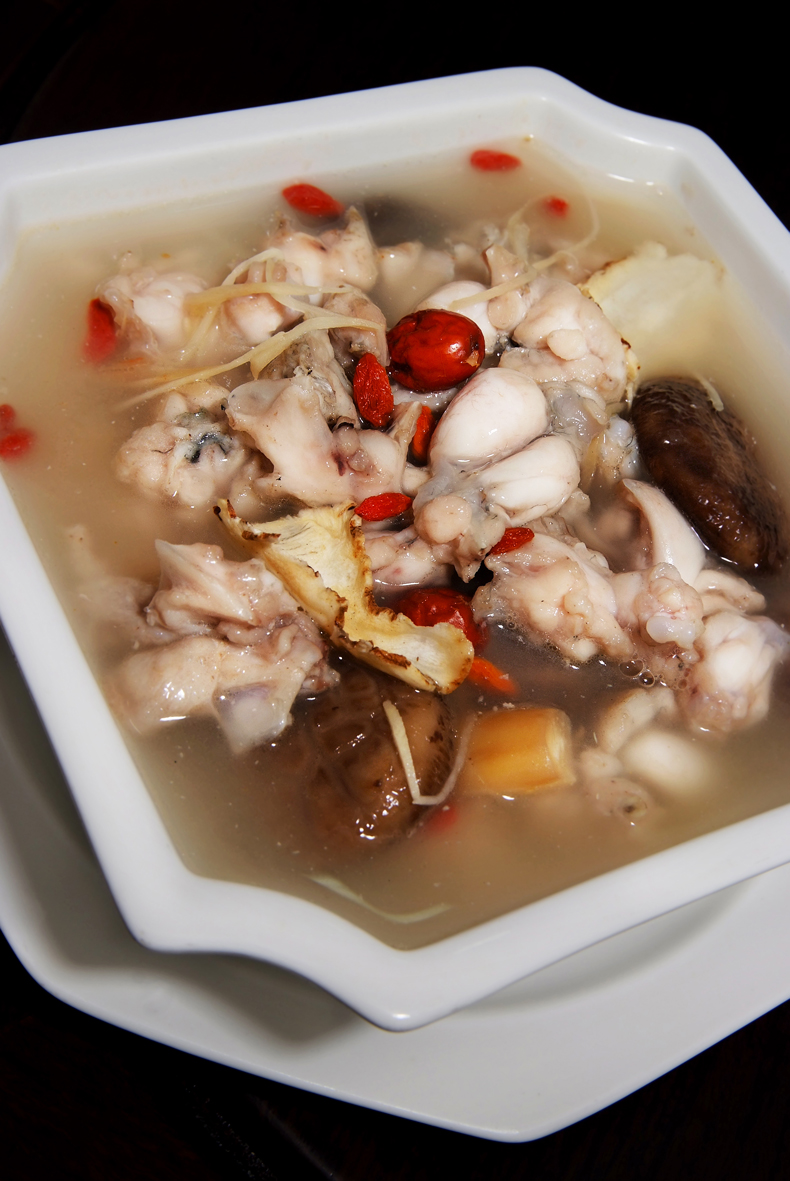
Reference photographs under free licences. Real serving examples, not step-by-step recipe instructions.
United States · San Francisco · 29 September 2026
Between stops on our trip, we filmed this fire engine. It means something special to us: Sefora and I are both firefighters, and that passion stays with us even far from home.
Through Le Tavole Vere del Mondo, we share stories about food and the little moments that make a journey our own. This is one of them.
A greeting and a thank you to everyone who serves others every day, wherever they are in the world. 🙏🏻
— Francesco & Sefora | Le Tavole Vere del Mondo 🌍🍽️
Personal experiences and research are kept distinct. Details that need verification will be marked; prices and services may change.
Room for one more
Tell us about a table worth travelling for.
We’d love to hear its story.

